
Practical financial information designed to help you understand the topic clearly.
What is a Budget
A budget is a practical plan for how you expect to use your money over a specific period. It helps you compare the money coming in with the money going out.
A useful budget does not have to be complicated. The goal is to understand your income, identify your regular expenses, and make intentional decisions about what happens to the money that remains.
Why Is Budgeting Important?
Budgeting helps you understand where your money goes and whether your spending matches your priorities. Without a plan, it can be difficult to notice small expenses that add up over time.
A budget can also help you prepare for bills, work toward savings goals, manage debt, and make more informed financial decisions. It gives you a clearer picture of what you can afford.
Why Does a Budget Matter?
Without a clear picture of your income and expenses, it can be difficult to know where your money is going. A budget gives you a simple framework for making that picture clearer.
Budgeting can also help you prepare for upcoming expenses, create room for saving, identify spending patterns, and work toward financial goals.
- Understand where your money goes
- Plan for regular and irregular expenses
- Create a savings target
- Prepare for financial goals
- Identify areas where spending may need attention.

Know Your Income
Start by identifying how much money you receive during a typical month. Include your salary, business income, freelance earnings, and other regular sources of money.
If your income changes from month to month, use a cautious estimate based on your recent earnings. This can help you create a budget that is more realistic when income is irregular.
List Your Expenses
After calculating your income, the next step is to identify where your money goes. Write down your regular expenses, including housing, food, transportation, utilities, education, debt payments, and other essential costs.
Review your bank statements, mobile money transactions, receipts, and payment records where available. These records can help you identify expenses you might otherwise forget. If you spend cash regularly, keep a simple record of those purchases too.
Understand the Three Types of Expenses
Organizing your expenses into three categories makes it easier to create a realistic budget.
- Fixed expenses: Payments that usually remain similar each month, such as rent, insurance, or regular loan payments.
- Variable expenses: Costs that change depending on your usage or choices, such as food, transportation, electricity, and entertainment.
- Irregular expenses: Costs that occur occasionally rather than every month, such as annual fees, school expenses, vehicle repairs, and certain medical bills.

Remember to include small purchases because they can add up over time. For irregular expenses, estimate the total amount you may need and set aside money regularly. This helps you prepare for upcoming costs without disrupting your monthly budget.
Separate Needs From Wants
Once you understand your expenses, separate your essential needs from the things you want. This helps you decide which expenses deserve priority when your income is limited.
Needs are expenses that support your basic living requirements and important responsibilities. Wants are purchases that may improve your comfort or enjoyment but are not always necessary.
Examples of Needs and Wants
- Needs: Basic food, housing, essential utilities, necessary transportation, healthcare, and required debt payments.
- Wants: Restaurant meals when you could eat at home, entertainment subscriptions, luxury purchases, and non-essential upgrades.
Some expenses can fall into either category depending on your circumstances. For example, transportation may be essential for getting to work, while a more expensive vehicle may be an optional choice. Consider your personal situation before deciding.
Prioritize Without Removing All Enjoyment
A realistic budget does not mean eliminating every enjoyable activity. Instead, cover essential expenses first, plan for savings and financial obligations, and then decide how much you can comfortably spend on wants. If your expenses exceed your income, review optional purchases first and look for reasonable ways to reduce costs. Small adjustments can help you regain control without making your budget unnecessarily difficult to maintain.
Set Your Financial Goals
A budget becomes more useful when you know what you want your money to accomplish. Financial goals give you a clear reason to save, control spending, and make thoughtful decisions about your income.
Start by identifying what matters most to you. You might want to build an emergency fund, pay off debt, save for education, purchase a home, start a business, or prepare for retirement. Choose goals that match your current financial situation.
Understand Short-Term and Long-Term Goals
- Short-term goals: Objectives you want to achieve within the next few months or a few years, such as saving for school fees, purchasing essential equipment, or building initial emergency savings.
- Medium-term goals: Objectives that may take several years, such as saving for a vehicle, expanding a business, or preparing for a major expense.
- Long-term goals: Objectives that may take many years, such as purchasing a home, funding retirement, or building long-term financial security.
Make Your Goals Specific and Realistic
Instead of setting a vague goal like saving more money, decide how much you want to save and when you want to reach your target. For example, if you want to save 1,200 units of your local currency in 12 months, you would need to set aside an average of 100 units each month.
Include your savings targets in your monthly budget alongside your essential expenses. If you cannot afford your original target, adjust the amount or extend the timeline. A realistic goal that you can maintain is more useful than an ambitious target that consistently strains your finances.
Choose a Budgeting Method
There is no single budgeting method that works for everyone. The best approach is one that fits your income, expenses, financial goals, and daily habits. Here are three popular methods to consider.
The 50/30/20 Budget Rule
The 50/30/20 rule divides your after-tax income into three categories:
- 50% for needs: Essential expenses such as housing, basic food, utilities, transportation, and required debt payments.
- 30% for wants: Optional spending such as entertainment, hobbies, dining out, and non-essential purchases.
- 20% for savings and debt repayment: Money allocated to savings goals and additional debt payments.
Example, If your monthly take-home income is 2,000 units of your local currency, the guideline would allocate:
- 1,000 units for needs.
- 600 units for wants.
- 400 units for savings and additional debt repayment.
These percentages are guidelines, not strict rules. If essential expenses consume more than 50% of your income, adjust the allocations to reflect your circumstances.
Zero-Based Budgeting
Zero-based budgeting means assigning a purpose to every unit of income until your planned income minus your planned expenses equals zero. For example, if you earn 2,000 units monthly, you might allocate money to housing, food, transportation, utilities, savings, debt payments, and personal spending until the entire amount has been assigned.
Important: This does not mean spending all your money. Savings and emergency fund contributions are also budget categories. This method works well for people who want to track their money closely and understand exactly where their income is going.
The Pay-Yourself-First Method
With this method, you set aside money for savings as soon as you receive your income, then use the remaining amount to cover expenses. For example, you might transfer a manageable amount into an emergency fund or savings account on payday before paying for other non-essential purchases.
This approach can help you build consistent saving habits. However, make sure essential bills and important financial obligations can still be covered.
Which Method Should You Choose?
Choose a method that you can follow consistently.
- Try the 50/30/20 rule if you want a simple starting framework.
- Consider zero-based budgeting if you prefer to assign every unit of income a specific purpose.
- Try pay-yourself-first if building savings is your main priority.
You can also combine elements of different methods. Review your results regularly and adjust your approach as your income or circumstances change.
Create Your Monthly Budget
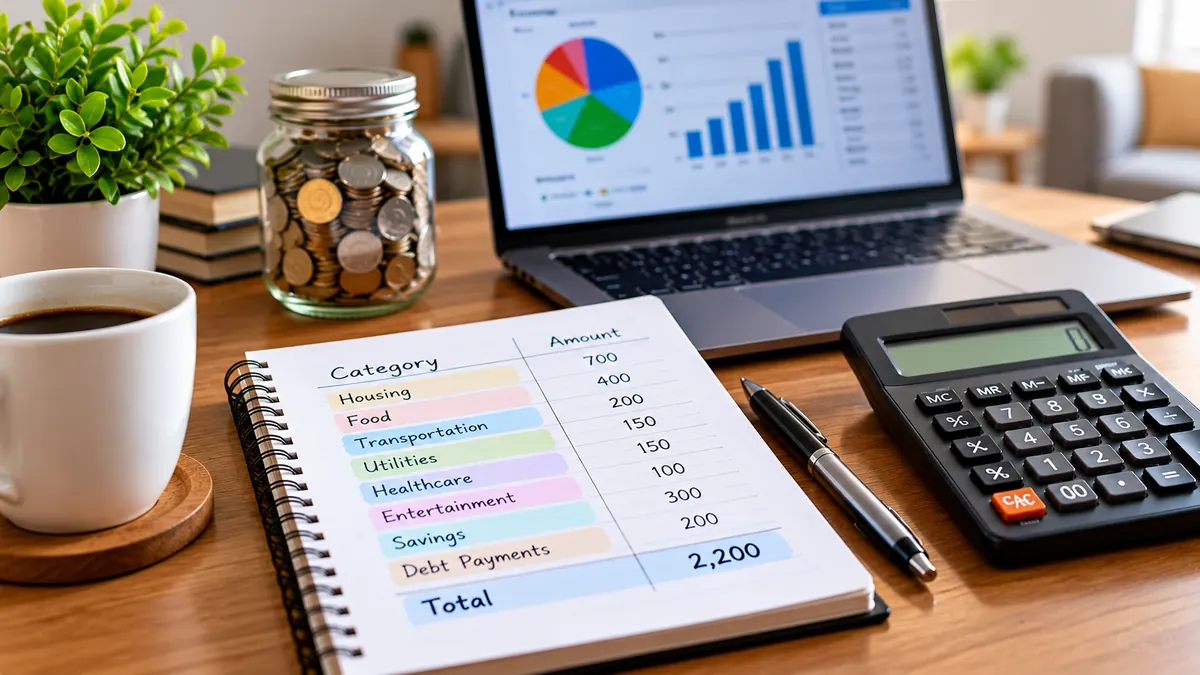
Now that you understand your income, expenses, financial goals, and budgeting methods, it is time to put everything together in a monthly budget.
A monthly budget gives you a plan for how to use your income. It helps you prepare for essential expenses, make progress toward your goals, and avoid spending money you need for other priorities.
Calculate Your Monthly Income
Write down the income you realistically expect to receive during the month. Include your salary, business profits, freelance earnings, and other reliable sources of income.
If your income changes from month to month, use a conservative estimate based on your recent earnings. This reduces the risk of planning expenses around money you may not receive.
List Your Monthly Expenses
Record your expected expenses, including housing, food, utilities, transportation, education, debt payments, and other regular costs.
Remember to include irregular expenses. If you expect to pay 1,200 units annually for an expense, for example, you could plan to set aside an average of 100 units monthly.
Allocate Money to Each Category
Assign a realistic amount to each expense category. Include savings, emergency fund contributions, and additional debt repayments where affordable.
Your allocations should reflect your actual circumstances rather than forcing your spending into percentages that do not suit your income.
Check the Numbers
Use this simple calculation: Expected income − planned expenses − planned savings = remaining money.
If the result is negative, your budget currently plans to use more money than you expect to receive. Review optional expenses, adjust savings targets where necessary, or consider practical ways to increase your income.
If money remains unallocated, decide whether to direct it toward savings, debt repayment, upcoming expenses, or another financial goal.
Example of a Monthly Budget
Let's imagine someone earns 2,500 units of their local currency each month. Here is an example of how they could allocate their income.
Monthly income: 2,500
- Housing: 700
- Food: 400
- Transportation: 200
- Utilities and phone: 150
- Debt payments: 200
- Healthcare and personal needs: 150
- Savings: 300
- Entertainment and other spending: 200
- Irregular expenses fund: 200
Total allocated: 2,500
What Does This Example Teach Us? In this example, every unit of income has a purpose. Essential expenses are covered, money is set aside for savings, and provision is made for irregular expenses.
The figures are only an illustration. Your own budget should reflect your actual income, living costs, financial responsibilities, and personal goals.
Remember: A budget is a plan, not a restriction. Review it regularly and adjust the amounts when your circumstances change.
Write Down Your Budget
You can create your budget using a notebook, spreadsheet, budgeting app, or a simple table on your phone.
Choose a format that is easy to update and review. You do not need expensive software to manage your money effectively.
Remember: Your first budget does not need to be perfect. Start with realistic estimates, track your spending, and make improvements as you learn more about your financial habits.
Review and Adjust Your Budget
A budget should change when your financial situation changes. Your income, expenses, responsibilities, and goals may not remain the same every month. Reviewing your budget regularly helps you keep it realistic and useful.
When Should You Review Your Budget? Review your budget at least once a month. You can also check it weekly to identify problems early and avoid unnecessary overspending.
What Should You Check?
- Your income: Has your income increased or decreased?
- Your expenses: Are you spending more than you planned in any category?
- Your savings: Are you making progress toward your financial goals?
- Your debts: Are your repayments manageable and up to date?
- Unexpected costs: Have emergencies or other unplanned expenses affected your budget?
How to Adjust Your Budget
If your expenses are higher than expected, identify the reason before making changes. You may need to reduce optional spending, change unrealistic estimates, or find ways to increase your income. If your income increases, consider directing some of the extra money toward savings, debt repayment, or important financial goals rather than increasing all your spending. If your income decreases, prioritize essential needs and review non-essential expenses first.
Learn From Each Month
Do not expect every budget to work perfectly. Use each month's results to understand your spending habits and improve your next plan.
Remember: A successful budget is not one that never changes. It is one that helps you respond wisely to changes while staying focused on your financial priorities.
Build an Emergency Fund
An emergency fund is money set aside to cover unexpected expenses or financial difficulties. It can help you handle emergencies without relying entirely on loans, credit cards, or money intended for other important needs.
Unexpected situations may include medical expenses, urgent home repairs, essential equipment replacement, or a temporary loss of income.
Why Is an Emergency Fund Important?
An emergency fund provides financial protection when life does not go according to plan. It can reduce financial stress, help you avoid unnecessary debt, and protect the progress you have made toward your financial goals.
How Much Should You Save?
Start with an amount you can manage. Your first goal could be enough to cover one unexpected essential expense. Over time, aim to build savings that can cover three to six months of essential living expenses, if your circumstances allow. The right target depends on your income stability, responsibilities, and personal situation.
How to Build Your Emergency Fund
- Start Small: You do not need a large amount of money to begin. Save a small amount regularly and increase it when your finances allow.
- Make It Part of Your Budget: Include emergency savings as a category in your monthly budget. This makes saving a planned activity rather than something you do only when money remains.
- Save Consistently: You can contribute weekly or monthly. Consistency matters more than starting with a large amount.
- Keep the Money Accessible: Choose a safe place where you can access your money when a genuine emergency occurs. Consider any withdrawal restrictions, fees, and risks associated with the account or savings method.
- Use It for Genuine Emergencies: Avoid using your emergency fund for routine shopping, entertainment, or planned purchases. If you use some of it for an emergency, make rebuilding the fund part of your future budget.

What If Your Income Is Low?
If your income barely covers your essential expenses, begin with a small, realistic savings target. Focus on necessities first, and avoid taking on expensive debt simply to build an emergency fund. Even small contributions can help you develop a savings habit over time.
Remember: An emergency fund is not built overnight. Start where you are, save what you reasonably can, and build gradually as your financial situation improves.
Manage Debt While Following a Budget
Debt can make budgeting more challenging, especially when repayments take up a large part of your income. A good budget helps you manage your debt while still covering essential expenses and working toward your financial goals.
List All Your Debts
Write down each debt, the outstanding balance, the minimum payment, the interest rate, and the payment due date. This helps you understand your total obligations and plan your repayments.
Prioritize Your Debt Payments
Always plan for required minimum payments and essential living expenses. If you have extra money available, consider putting it toward a debt with a high interest rate or using another repayment strategy that suits your circumstances.
Two common approaches are:
- Debt avalanche method: Focus extra payments on the debt with the highest interest rate while maintaining minimum payments on other debts.
- Debt snowball method: Focus extra payments on the smallest outstanding balance first while maintaining minimum payments on other debts.
The avalanche method may reduce total interest costs, while the snowball method may help you stay motivated by clearing smaller debts sooner.
Avoid Taking on Unnecessary Debt
Before borrowing, consider whether the expense is essential, whether you can afford the repayments, and how much interest and fees you will pay. Avoid borrowing simply to maintain a lifestyle your current income cannot support.
Balance Debt Repayment and Savings
Paying off debt is important, but having some emergency savings can help prevent unexpected expenses from forcing you to borrow again. Choose a realistic balance based on your income, interest rates, and financial responsibilities.
Remember: Managing debt takes planning and consistency. Include repayments in your monthly budget, monitor your progress, and adjust your plan when your circumstances change.
Common Budgeting Mistakes to Avoid
Budgeting can help you manage your money more effectively, but certain mistakes can make it difficult to achieve your financial goals. Understanding these mistakes will help you create a budget that is realistic, flexible, and easier to maintain.
- Setting Unrealistic Limits: Setting spending limits that are too strict can make your budget difficult to follow. Estimate your expenses based on your actual needs and spending habits rather than guessing.
- Forgetting Irregular Expenses: Expenses such as annual fees, school costs, maintenance, and seasonal purchases can disrupt your budget if you do not plan for them. List these expenses and set aside money regularly when possible.
- Ignoring Small Purchases: Small purchases may seem insignificant, but they can add up over time. Track them alongside your larger expenses so you have a clearer picture of where your money goes.
- Failing to Track Spending: A budget is only useful when you compare your plan with your actual spending. Record your expenses regularly and review them to identify areas that need adjustment.
- Giving Up After One Bad Month: Unexpected expenses or mistakes can cause you to exceed your budget. Instead of abandoning your plan, identify what went wrong and make reasonable adjustments for the following month.
- Forgetting to Include Savings: If you save only when money remains at the end of the month, you may struggle to build consistent savings. Include a realistic savings amount in your budget, even if you have to start small.
- Comparing Your Budget With Other People: Everyone has different income levels, responsibilities, and financial goals. A budgeting method that works for another person may not suit your situation. Build your budget around your own circumstances and priorities.
- Never Reviewing Your Budget: Your financial situation can change because of new responsibilities, increased expenses, or changes in income. Review your budget regularly to keep it relevant.
Remember: Budgeting is a skill that improves with practice. You do not need to get everything right immediately. Learn from your mistakes, remain consistent, and keep improving your financial habits.
How to Make Budgeting a Lasting Habit
Creating a budget is a good start, but making budgeting part of your regular routine is what helps you manage money over the long term. The goal is to develop simple habits that make it easier to understand your finances, control spending, and work toward your goals.
- Set a Regular Budgeting Time: Choose a convenient time each week to review your spending and a time each month to prepare your next budget. A regular routine makes budgeting easier to maintain.
- Keep Your Budget Simple: You do not need complicated spreadsheets or expensive applications. A notebook, spreadsheet, or simple budgeting tool can help you organize your income, expenses, savings, and debt payments. Choose a method you can use consistently.
- Make Budgeting a Family Habit: If you share financial responsibilities with a partner or family, discuss important expenses and financial goals together. Clear communication can help everyone understand spending priorities and avoid unnecessary disagreements.
- Celebrate Your Progress: Recognize improvements such as paying a bill on time, reducing unnecessary spending, building savings, or making progress toward a financial goal. You do not need to reach every goal immediately. Small improvements can help you stay motivated.
- Prepare for Changes: Your income, expenses, and responsibilities may change over time. Update your budget when necessary instead of forcing yourself to follow a plan that no longer fits your situation.
- Focus on Progress, Not Perfection: Some months will be easier than others. Unexpected expenses may arise, and you may occasionally spend more than planned. Learn from these experiences, make adjustments, and continue working toward your financial goals.
Final Thoughts
Budgeting is more than writing down numbers. It is a practical way to understand your financial situation, make informed spending decisions, prepare for unexpected expenses, and plan for the future. Start with what you have, choose a method that works for you, and review your progress regularly. Over time, consistent budgeting can help you build stronger financial habits and make better use of your money.
Your next step: Create your first monthly budget today. List your income, identify your essential expenses, set a realistic savings target, and begin tracking your spending.
Apply what you learned using a Tallyvance financial calculator.
Open Related Calculator →